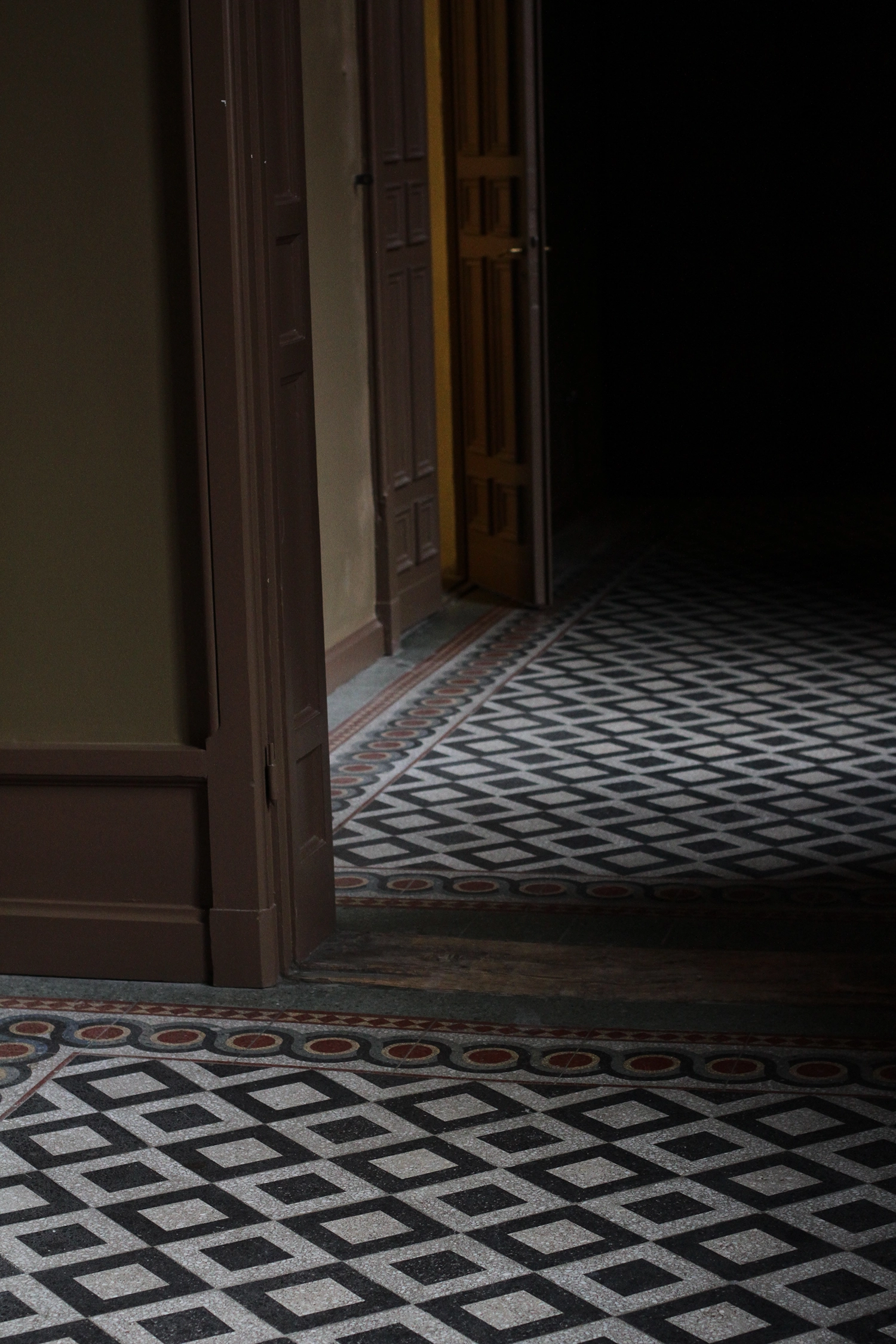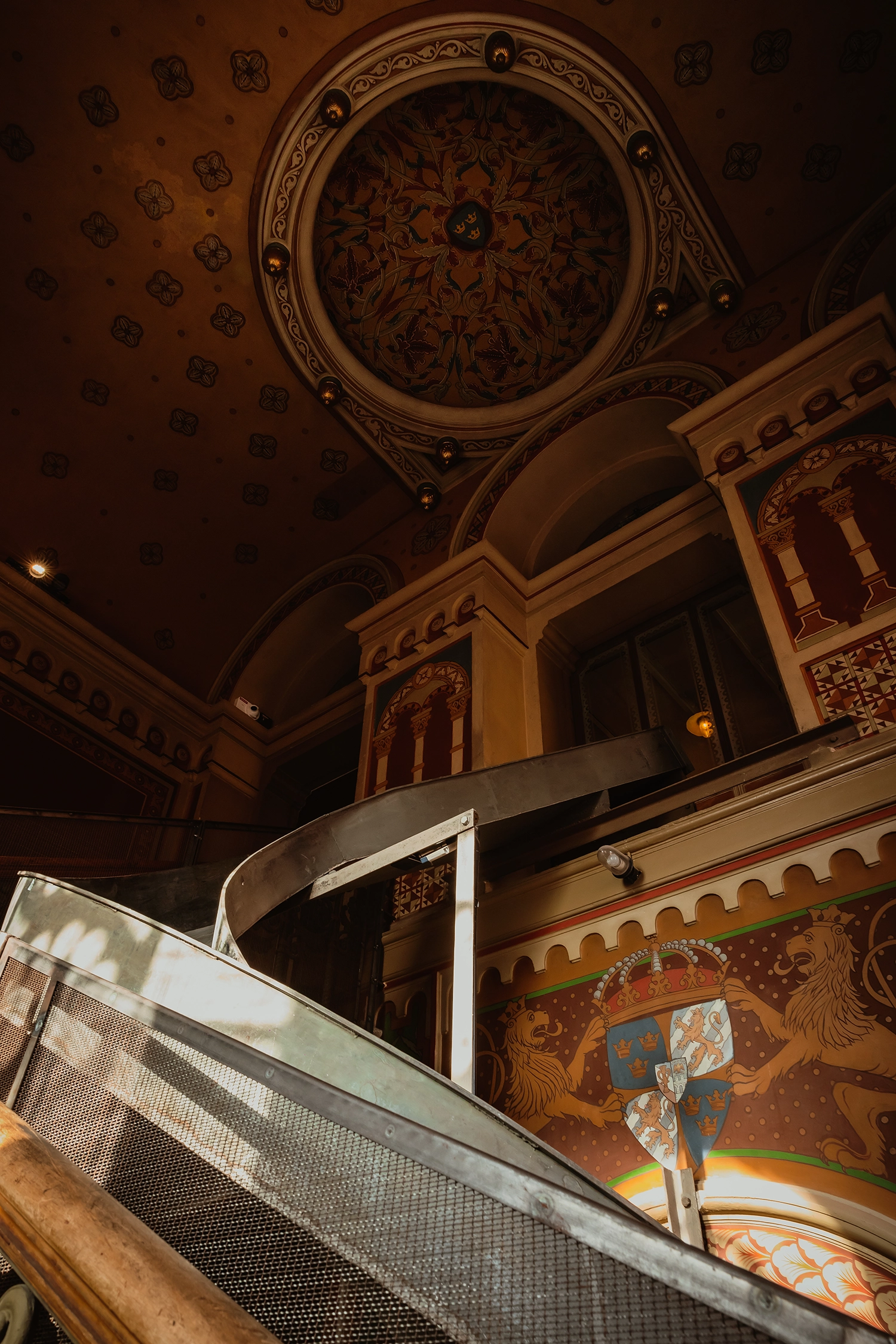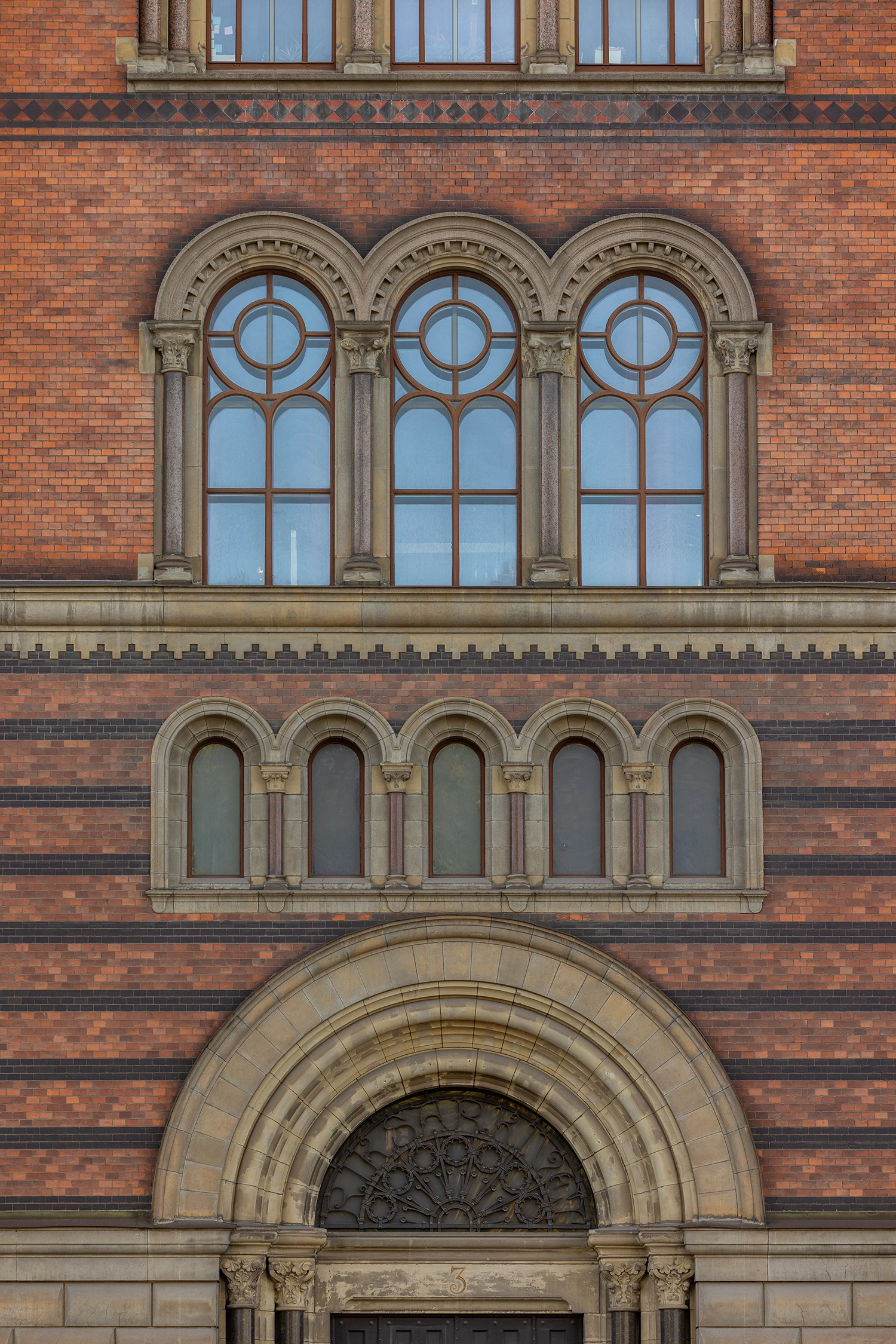
For those of you who were looking for the National Archives, welcome to the Old National Archives. For the past 12 years, this venue has delivered one of Sweden’s most celebrated Christmas buffets. Outside the Christmas season, the Old National Archives hosts events, dinners, weddings, and conferences. The National Archives as an institution is something else entirely—and that is what this article will explain.
Whether you are a dedicated genealogist, an academic historian, or simply curious about your origins, the National Archives offers a wealth of opportunities. This guide walks you through the institution, which operates under the Ministry of Culture and is responsible for Sweden’s national archival system.
The National Archives has a long and proud history dating back to 1618. As a government authority, it has a clear and vital mission: to preserve, care for, and provide access to Sweden’s shared cultural heritage. During its early years, the National Archives was in fact housed in the very building that today is known as the Old National Archives.
The role of the National Archives extends far beyond the storage of documents. It safeguards the right to transparency and access to information—cornerstones of Swedish democracy and the principle of public access to official records. By preserving documents from government authorities, the National Archives ensures that history cannot be rewritten or forgotten.
From its historic premises on Riddarholmen—where the Old National Archives still stands proudly as a landmark—the organization has grown and modernized. Today, the National Archives is a contemporary authority with operations across the country, from Lund in the south to Östersund in the north.
The opportunities to explore history have never been greater. Through extensive digitization efforts, the National Archives now provides access to millions of documents online. The Digital Research Room is open 24 hours a day, year-round.
Available resources include:
Access to the digital archives is free of charge, making it possible for anyone to explore their personal or national history.
The National Archives plays a central role in preserving specific cultural heritage on behalf of the Swedish government. One particularly important focus area is the preservation of Jewish cultural heritage in Sweden, part of a broader effort to highlight the history of national minorities.
Under the leadership of Minister for Culture Parisa Liljestrand, the government has tasked the National Archives with intensifying its work to collect and make accessible material related to Jewish life in Sweden. The aim is to increase knowledge and counter antisemitism through education and public awareness.
This work includes:
For many, the National Archives is synonymous with genealogical research. This is where the journey begins for those wishing to trace their roots. With access to church archives and tax registers, it is possible to follow ancestors across centuries.
Getting started with genealogy is straightforward, but it requires patience. A recommended approach includes:
While much material is available digitally, physical visits to the National Archives are also possible. The reading rooms offer an atmosphere of focus and discovery, where visitors can handle original documents, feel the texture of the paper, and study handwriting from centuries past.
The on-site staff possess extensive expertise and are available to guide visitors in their research. Whether visiting Marieberg in Stockholm or one of the regional archives, guests are met with an environment defined by knowledge, professionalism, and service.
Is it free to use the National Archives?
Yes. Searching the National Archives’ digital archives and databases is completely free of charge. Some specialized services or document reproduction may incur a fee.
What is the difference between the National Archives and the Old National Archives?
The National Archives is the government authority responsible for preserving official state records. The Old National Archives is the historic building on Riddarholmen that previously housed the archives and is now commonly used for events and Christmas celebrations, while still retaining its archival character.
How do I find a specific person in the archives?
The best method is to use the Digital Research Room. By searching population records such as birth registers and household examination rolls, individuals can be traced. Having information about names, birth dates, and places of birth makes the process much easier.
Can I visit the National Archives in person?
Yes. The National Archives operates reading rooms in several locations across Sweden, where original documents can be requested for study. Always check opening hours for each location on the official website before visiting.
How does the National Archives preserve documents?
Preservation involves both preventive conservation and active restoration. Documents are stored in climate-controlled facilities with regulated temperature and humidity to ensure their survival for future generations.
The National Archives is a cornerstone of Sweden’s cultural heritage. By combining traditional preservation with modern technology, it makes our shared history accessible to all. From government initiatives highlighting minority histories to the individual genealogist’s search for ancestral roots, the archive fulfills an invaluable role.
You are warmly invited to explore the possibilities offered by the National Archives—where every document carries a story waiting to be discovered.